

0
2 Min.
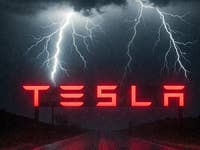
The public spat between Elon Musk and former President Donald Trump is more than a clash of titans—it’s a warning flare for the entire tech sector. With tariff threats, subsidy rollbacks, and Twitter-style takedowns, the episode underscores just how quickly political favor can turn into political fire.
0
2 Min.
German carmakers BMW, Mercedes-Benz, and Volkswagen are reportedly feeling the impact of new car import tariffs imposed by the Trump administration. However, negotiations are reportedly underway with the U.S. government for a new import tariff deal, and German car manufacturers could leverage certain strategies to mitigate the impact of these tariffs.
Also read: Volkswagen and Uber plan to make robo-taxis
0
3 Min.
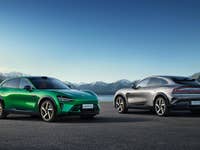
Range anxiety, be gone? Xiaomi is poised to address range anxiety in EVs as it unveiled the YU7, its first electric SUV. This new electric car boasts strong features with a focus on improved range and power in an SUV form, aiming to best Tesla’s Model Y. However, we will only discover if the YU7 genuinely has the potential to shake up the EV market once it launches in July, as the company remains silent about its price.
0
3 Min.
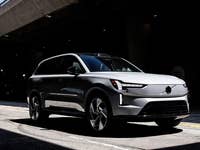
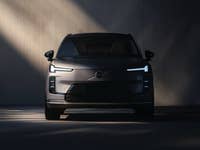
Want to capture cool photos of cars? If so, remain vigilant! There’s a nasty surprise that can ruin your smartphone camera, and the Volvo EX90 is the best example of this.
0
3 Min.
E-mobility fans take note: Volvo has a new plug-in hybrid in the pipeline. The Volvo XC70 (2025) is set to be a stylish SUV that looks great and, above all, offers an above-average electric range. However, the targeted 200 kilometers that Volvo is now promising are unlikely to be achieved, at least in Europe.
0
2 Min.
What once seemed like pure science fiction will soon become reality: autonomous Uber vehicles will ferry passengers to their destination safely without any human intervention. This technology is being provided by Volkswagen. Those responsible for this vision are talking about an ambitious 10-year plan.
Debates about self-driving cars look set to continue

0
7 Min.
Electric-powered models have established themselves as a viable option in the motorcycle market. In the extremely popular 125cc class, I took a look at the Niu RQi Sport. While not available in the US, this e-bike can be operated by any motorist with a simple crash course, which would include taking an extension to one’s license in selected countries.

0
12 Min.
A crazy rate of acceleration thanks to the equivalent of 15 hp, an all-terrain suspension, and road approval as a scooter? Hardly any other review unit attracted as much attention as the Niu XQI3. The e-dirtbike actually excelled in the review with a lot of riding fun and proved to be a good electric way through heavy city traffic. Is this the perfect e-vehicle for all those who find scooters too boring?
0
2 Min.
Most of you would probably have known for a long time that Xiaomi also builds electric vehicles. You would also have noticed that these sporty EVs are currently only available in China and not anywhere else in the world. However, this situation is likely to change in just a few years. As the Japanese business newspaper Nikkei reported, Xiaomi is preparing to expand into international markets. From 2027 onward, the Chinese manufacturer’s EVs will also be sold outside the country’s borders to build on its domestic sales success.
Crisis intensifies for Tesla
0
2 Min.
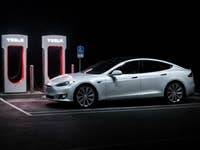
I do admit this is a somewhat dramatic choice of words, but what happened at Tesla in the first quarter of 2025 was, strictly speaking, quite the crash landing. Sales and profits plummeted to such an extent that even CEO Elon Musk no longer has the option of simply letting everything operate as before. Due to his numerous engagements in the political environment under the eyes of US President Donald Trump, he wants to step on the brakes for now and devote more time to his companies, Tesla included.